The origin of the current name of Cyprus
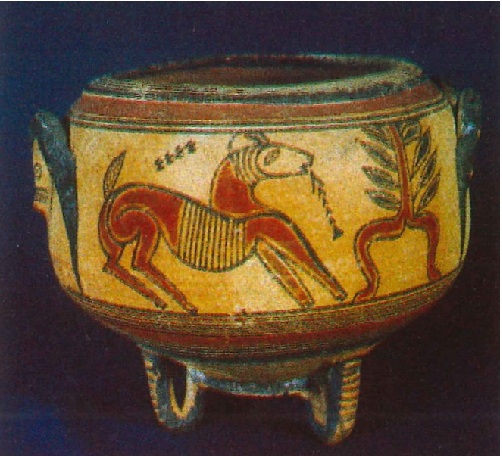
The name Cyprus, known in Greek as Kypros (Κύπρος), has a history almost as fascinating as the island itself.
Ancient writers, historians, philologists, linguists and other researchers have proposed different explanations for the origin of the name. Although there is no universally accepted etymology, several theories have attracted particular attention over the centuries.
The name Kypros is already associated with Cyprus in ancient sources, while the island itself was known by other names in earlier periods. The origin of the present name therefore remains an intriguing question at the crossroads of language, mythology, geography and the natural resources of the island.
The Main Theories Behind the Name Kypros
1. From the plant kypros (henna)
One traditional interpretation connects the name of the island with a plant known in Greek as kypros, identified with the henna plant.
According to this theory, the plant may have been associated with the name of the island because of its colour or other characteristics. However, the explanation has also been questioned because the plant was not particularly abundant or characteristic of Cyprus.
For this reason, some researchers consider it unlikely that a large island with such a long history and distinctive natural environment would have derived its name from a plant that was not native or widespread there.
The relationship between kypros and the henna plant nevertheless remains one of the traditional explanations for the name.
2. From a town called Kypros
Another interpretation suggests that the island took its name from an ancient settlement called Kypros.
Some ancient writers associated the name with a town said to have been located in the northern part of Cyprus, between Kyrenia and Akanthou. However, the existence and importance of such a settlement have not been established with sufficient archaeological or historical certainty.
As a result, this explanation remains a possibility rather than an established origin of the name.
3. From Kypris, the name of Aphrodite
Cyprus has been closely associated with Aphrodite, the goddess of love and beauty, since antiquity.
In ancient literature, Aphrodite is frequently referred to as Kypris, meaning the Cyprian or the goddess associated with Cyprus. Homer, for example, uses the name Kypris for Aphrodite.
It has therefore been suggested that the name of the island may have been connected with the goddess.
However, another interpretation reverses this relationship: Kypris may have derived from Kypros, meaning that Aphrodite was called Kypris because she was the goddess of Cyprus.
This interpretation is particularly interesting because it reflects the close relationship between the island, Aphrodite and ancient Cypriot mythology.
4. From Kypros, associated with Kinyras
Another tradition connects the name with Kypros, a figure associated with Kinyras, the legendary king of Cyprus.
Kinyras is an important figure in Cypriot mythology and ancient tradition, particularly in connection with Paphos, Aphrodite and the religious traditions of the island.
As with many ancient mythological explanations of place names, however, it is difficult to establish whether the personal name gave its name to the island or whether the name of the island was incorporated into later traditions.
5. The Connection with Copper
Perhaps the most fascinating interpretation connects Kypros with copper.
Cyprus was one of the most important copper-producing regions of the ancient Mediterranean. Copper was exploited on the island from very early periods, and its production and trade became particularly significant during the Bronze Age.
The rich copper deposits associated with the Troodos region helped make Cyprus an important centre of metallurgy and international trade. Archaeological evidence shows that Cypriot copper was traded widely across the eastern Mediterranean and the Near East.
This connection is reflected in the later history of the word itself. The Latin expression aes Cyprium, essentially meaning “Cypriot metal” or “metal of Cyprus”, eventually developed into cuprum, from which the modern chemical symbol Cu and words for copper in several European languages derive.
This is why Cyprus has long been known as an “island of copper”.
It is important, however, to distinguish between two questions: whether the island’s name Kypros originally came from copper, and whether the word for copper later developed from the name of Cyprus.
The second connection is well established in the history of the Latin word cuprum, while the original etymology of Kypros itself remains uncertain.
Cyprus, Copper and the Landscape of the Island
The copper theory is particularly interesting when viewed together with the physical geography of Cyprus.
The Troodos Mountains are not only one of the defining features of the island’s landscape; they are also closely connected with Cyprus’s geological history and its ancient copper resources.
The island’s mountains, plains, valleys and coastline have influenced settlement, agriculture, trade and human activity for thousands of years.
To understand more about the relationship between the landscape and the history of Cyprus, read our article:
The Physical Geography of Cyprus: Landscapes, Mountains and Geology
This article explores the geological formation of the island, the Troodos Mountains, the Kyrenia range, the Mesaoria Plain and the coastal regions of Cyprus.
From Ancient Copper to Modern Cyprus
The story of the name Kypros illustrates something fundamental about Cyprus: the island’s identity cannot be separated completely from its geography and natural resources.
Its strategic position in the eastern Mediterranean brought Cyprus into contact with different peoples and civilizations. Its copper resources contributed to its importance in ancient trade, while its mountains, fertile plains and extensive coastline shaped settlement and economic activity.
This combination of geography, natural resources, history and culture is one of the reasons Cyprus remains such a fascinating subject of study.
For a broader introduction to the island, explore our article:
This overview presents the physical and cultural heritage of Cyprus, from its diverse landscapes and geology to its long history and archaeological heritage.
If you are interested in exploring Cyprus through its landscape, you may also enjoy:
- The Physical Geography of Cyprus: Landscapes, Mountains and Geology
- A Glimpse into Cyprus
- The Troodos Mountains Hiking Guide
- The Solea Valley
- Akamas Peninsula – Natural, Historical & Hiking Guide
Together, these resources offer different perspectives on the geography, history, nature and cultural heritage of Cyprus.
Kypros is not simply the name of an island. It carries echoes of ancient languages, mythology, geography, natural resources and thousands of years of human history.
This article is adapted from the Touring Guide of Cyprus, published by SELAS Publications.